To legally operate a business in Hong Kong, you must have the necessary business licenses and permit requirements in Hong Kong. The business licenses and permits in Hong Kong will be issued based on the nature of your business activity. Further, a Hong Kong government department or agency will be responsible for the issuing of these […]
Executing legal documents and contracts are a very common occurrence in a business. But does your Hong Kong company need a company chop or company seal to get it done? Or will a signature suffice? What Is a Company Chop? In general terms, a company chop is the company’s rubber stamp. “Chop” is a term with colonial Indian English […]
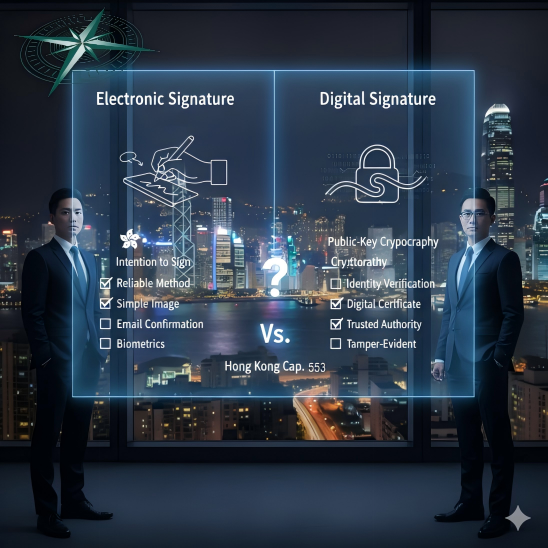
Should You Use an Electronic Signature and Digital Signature in Hong Kong? What are the requirements? Your Questions Answered Electronic signatures and digital signatures are among the multiple signature forms recognised in Hong Kong as part of the Electronic Transactions Ordinance Act (ETO). What Is The ETO? Hong Kong’s ETO recognises some of the multiple signature […]
The advancement of technology has not only reshaped the business landscape as we can imagine, but it has also opened the Pandora’s Box of data privacy in the cyber world. While data privacy remains one of the biggest concerns to many cyber users, many countries are updating their data protection laws to keep up with […]
An annual general meeting (“AGM”), as the name implies, is a statutory requirement where a company’s directors or shareholders will gather in this mandatory yearly meeting to discuss the company’s financial report, business performance or strategy. Just like many other jurisdictions, a Hong Kong company must hold the AGM on a yearly basis. The new […]
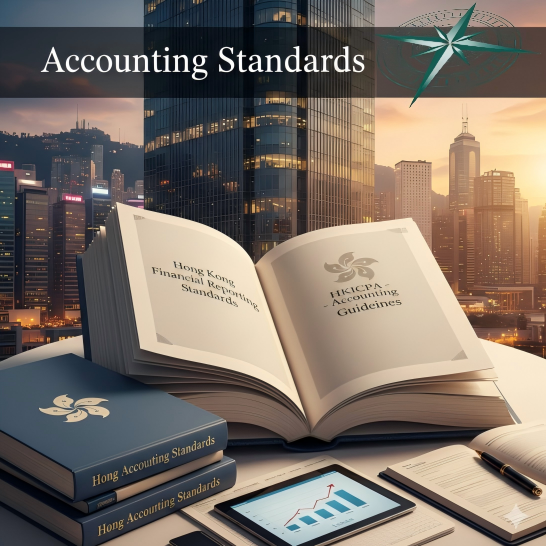
Hong Kong’s Accounting Standards are the rules which govern the handling of financial transactions in the country. As of January 2005, Hong Kong abides by the Financial Reporting Standards (FRS) framework, which follows the International Financial Reporting Standards (IFRS) model. Basically, this framework is under the International Accounting Standards Board (IASB). The accounting standards in […]
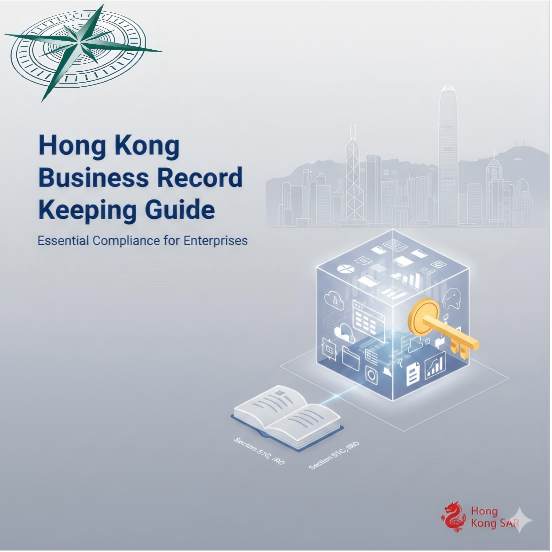
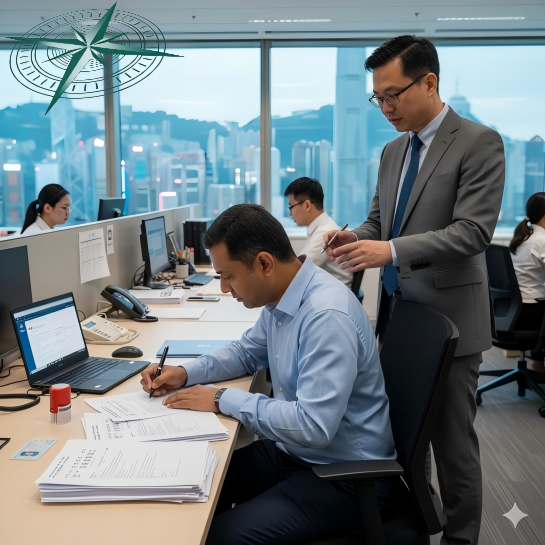
Every business in Hong Kong is required to keep sufficient records of all business transactions conducted. Business record keeping in Hong Kong is important because it enables your company’s assessable profits to be readily ascertained. Your business record keeping should be kept for at least seven years from the date of the transaction conducted. Not […]
In Hong Kong, both locally incorporated and foreign companies (an incorporated subsidiary or registered branch) are required to file annual return with the Inland Revenue Department (“IRD”). The Annual Filing Requirements of a Hong Kong Private Limited Company Filing of Annual Tax Return with Inland Revenue Department (IRD) a. What is it? Hong Kong Company’s […]
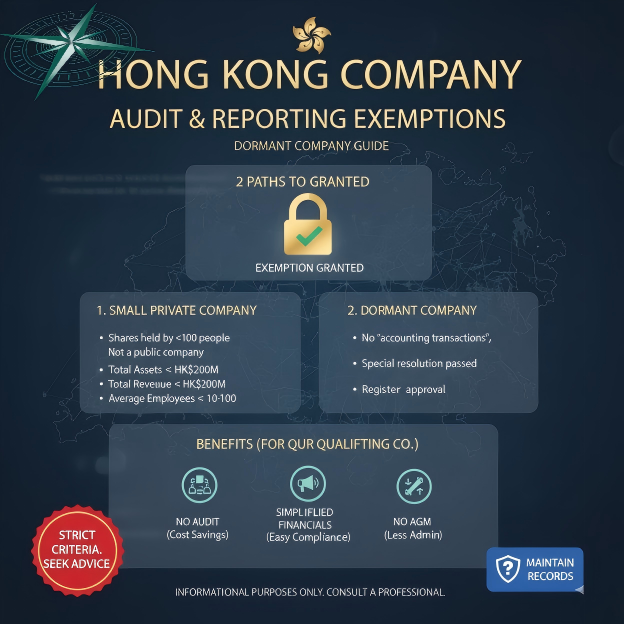
According to Section 447 Cap. 622 of the Hong Kong Companies Ordinance (the “Ordinance”), a private company in Hong Kong can declare as a dormant company by passing a relevant special resolution and submitting necessary documents to the Registrar. A dormant company will be exempted from complying certain requirements as stipulated in the Ordinance, which will, in […]
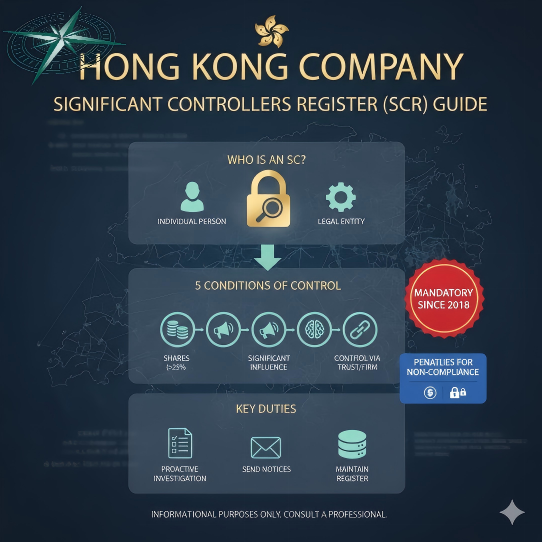
Beginning 1 March 2018, new changes were made to the Anti-Money Laundering and Counter-Terrorist Financing (Financial Institutions) (Amendment) Bill 2017, and the Companies (Amendment Bill) 2017. These changes were passed by the Hong Kong Legislative Council. These changes were in-line with the international standards of counter-terrorism financing and anti-money laundering regulations which were set forth […]